

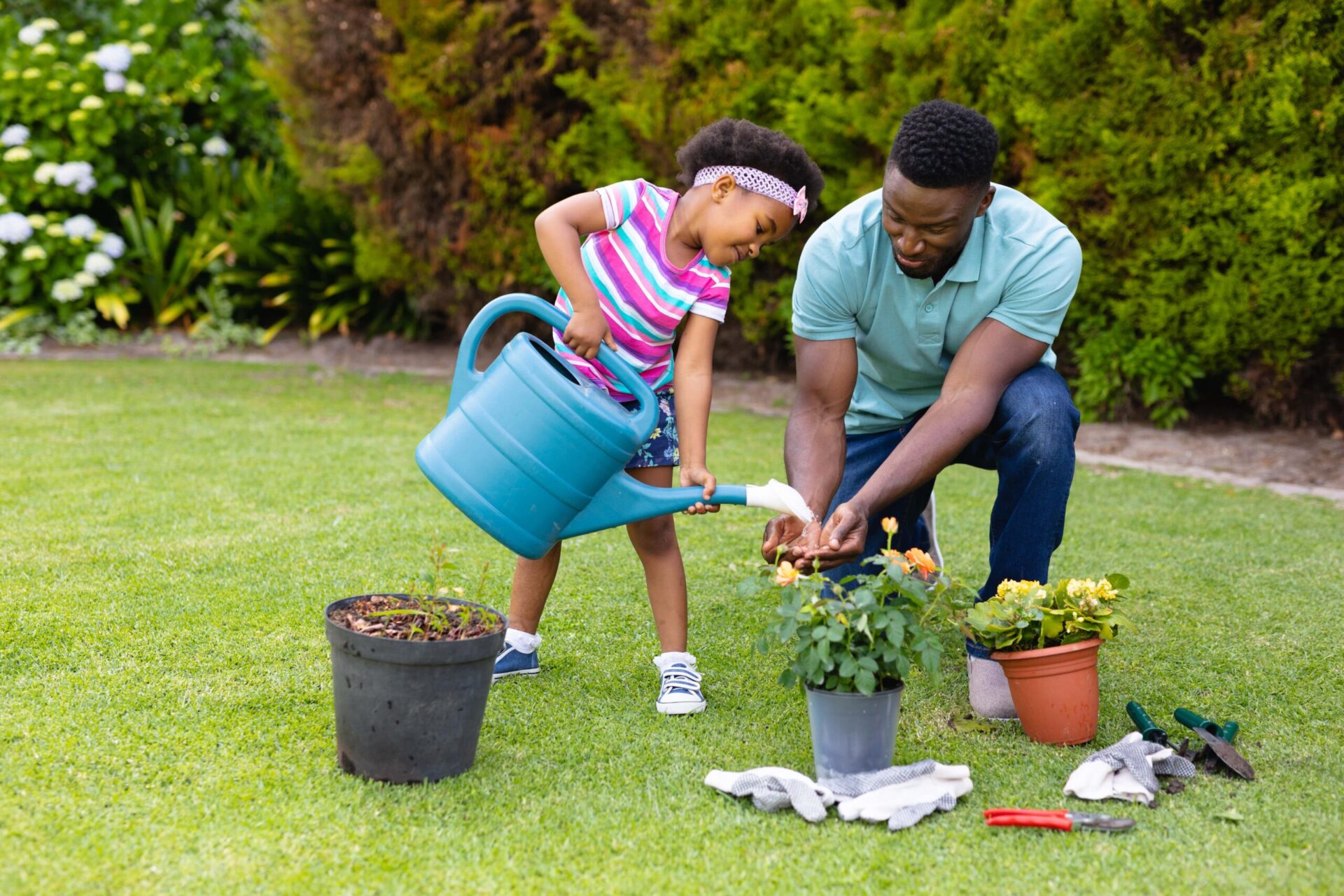
Many of us remember long afternoons spent outside as children, discovering bugs, digging in the dirt, and watching plants grow. Those simple moments were more than entertainment. They were early lessons in curiosity, resilience, and wonder. Gardening offers those same gifts to today’s preschoolers. It is hands-on, joy-filled, and full of opportunities to explore the world with all five senses.
Young children learn best when they can touch, test, and ask questions. A garden becomes an outdoor classroom where learning feels natural and exciting. At The Gardner School, S.T.E.A.M. learning is woven into daily learning, and gardening is one of the most playful, accessible ways to bring science, technology, engineering, art, and math to life at home and at school.
Science: A Living Laboratory
Gardening gives children a front-row seat to the science of life. They can observe how plants grow, what they need to thrive, and how sunlight and water contribute to photosynthesis. As children tend to their plants, they investigate questions, make predictions, and notice small changes over time. These early scientific observations build foundational skills in problem-solving and critical thinking.
Technology: Simple Tools with Big Purpose
Technology does not always mean screens. In gardening, technology includes helpful tools and devices that make caring for plants easier. Preschoolers can explore how different tools work, from watering cans and trowels to rain gauges and magnifying glasses. Measuring rainfall, inspecting leaves, or observing insects up close helps children understand how tools support our work and improve the way we care for the world around us.
Engineering: Planning, Building, and Problem Solving
Keeping plants healthy requires thoughtful planning. Children can help choose sunny spots for planting, test different soil types, or build support structures for taller plants like tomatoes or peas. These simple engineering challenges help children think about structure, stability, and solutions. With a little guidance, your preschooler becomes the garden’s “chief engineer,” proud of their role and eager to help.
Art: Creativity Blooms Everywhere
Gardens invite children to notice beauty and express themselves creatively. Preschoolers can draw what they see, paint pots, gather leaves for texture rubbings, or build simple bouquets. Colors, shapes, and patterns in nature provide endless inspiration. These moments encourage children to slow down, observe closely, and explore art through natural materials.
Math: Measuring, Counting, and Comparing
Gardening naturally brings math to life. Children can count seeds, measure plant growth with a ruler, compare leaf sizes, or mark calendar days until sprouts appear. These concrete experiences help preschoolers understand early math concepts in a way that feels meaningful and fun. Numbers become part of the story they are watching unfold in their garden.
Skills Children Build Through Gardening
Gardening nurtures more than plants. It helps children develop confidence, patience, and responsibility. Caring for a plant teaches them to follow a routine, check for changes, and take pride in their effort. Outdoor digging, watering, and planting strengthen fine motor skills and hand-eye coordination, while sensory exploration supports cognitive development. Touching soil, smelling herbs, or tasting fresh vegetables connects children to the natural world in powerful ways.
TGS: Growing Curiosity and Confidence
Whether you plant a full garden or start with a small pot of herbs on the windowsill, spring is the perfect time to explore the outdoors with your preschooler. Gardening strengthens bonds, sparks curiosity, and gives children space to observe, wonder, and grow.
At The Gardner School, outdoor play is a meaningful part of each child’s day because of the way it supports learning, confidence, and well-being. To discover how we help children thrive through hands-on experiences and joyful learning, schedule a tour today and discover why parents love the TGS experience.