

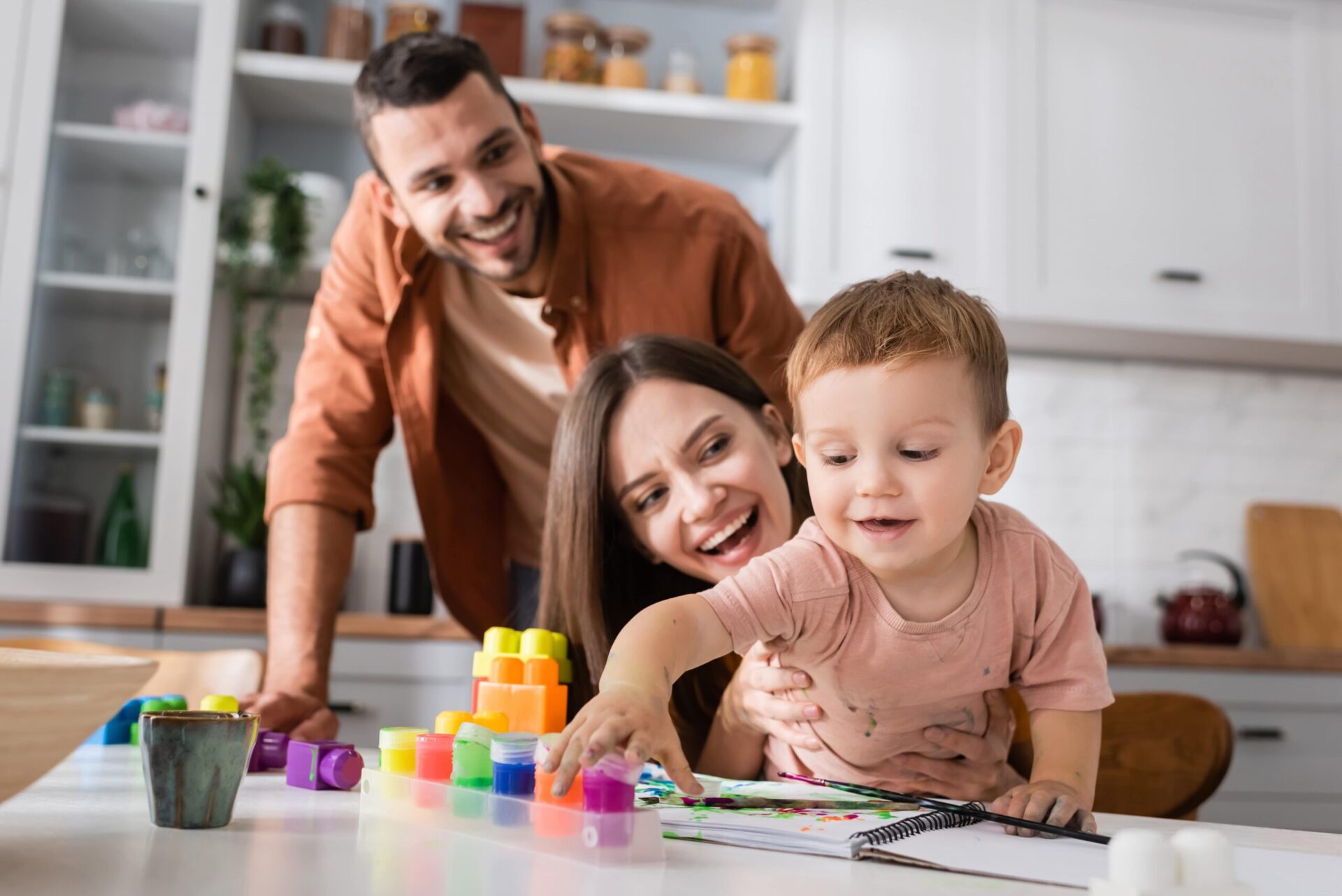
In the rush of daily life, it is easy to overlook how much small moments mean to young children. Yet simple gestures, like a warm hug, a patient pause, or a few minutes of one-on-one attention, play an important role in a child’s emotional growth. Children are wired for connection, and these everyday moments help them feel safe, valued, and understood. When caregivers respond with warmth and intention, children build confidence, trust, empathy, and a deeper sense of belonging.
By noticing and appreciating the power of these little moments, parents can create meaningful connections that shape how children see themselves and the world around them.
Create Family Traditions
Traditions give children something special to look forward to and help anchor the week with moments of joy. These do not need to be elaborate. A Friday evening movie, a Sunday bike ride, or even a cheerful “getting ready” song can become a cherished part of your child’s routine. Simple, consistent rituals help children feel grounded and strengthen family bonding.
Display Their Artwork
When children see their artwork displayed at home, they feel proud, capable, and celebrated. Whether you frame a drawing or place it on the refrigerator, these small acts show children that their creativity matters. Wearing a handmade bracelet or showcasing a painted masterpiece is a powerful message that says, “I see you, and I appreciate what you create.”
Take Time to Actively Listen
As preschoolers grow, their language skills develop quickly. Taking time to truly listen shows them their thoughts and feelings are important. Make eye contact, ask open-ended questions, and use encouraging phrases like “Really? What happened next?” This type of engaged listening helps children feel respected and strengthens emotional connection.
“Look over photos and videos with your child in your TGS Brightwheel app and have them tell you all about their day. Use prompts like ‘Tell me what is happening in this picture,’ and then connect further by asking your child to recreate an activity at home, like singing a song they learned in class.”
– Laura Sugrue, Director, TGS Schaumburg
Let Them Help Around the House
Even very young children enjoy feeling helpful. Simple tasks like wiping a spill, placing clothes in the hamper, or feeding a pet give children a sense of pride and responsibility. These early experiences help them understand teamwork and contribution. Starting responsibility at home also helps support social skills at school.
“Sharing can be hard for our little friends, but beginning the sharing process at home can work wonders. When playing with your child, take turns with toys or activities. This helps prepare them for group settings and builds confidence in their ability to share with friends.”
– Kaitlyn Rose, Director, TGS Naperville
Connect Through Play
Play is a child’s language, and joining them in their world sends a powerful message that you enjoy being with them. Whether you build a quick tower, draw side by side, or pretend together for a few minutes, play is a direct pathway to connection. It also strengthens social skills like cooperation, imagination, and conversational turn-taking.
The Gardner School Fosters Confidence in Every Child
At The Gardner School, we believe the small moments shape the biggest outcomes. Our teachers create warm, engaging environments where children feel known, celebrated, and encouraged to grow into their full potential. Explore more of our blogs to see how we support families and nurture every child’s confidence. To learn more or visit one of our beautiful learning spaces, schedule a tour anytime.