

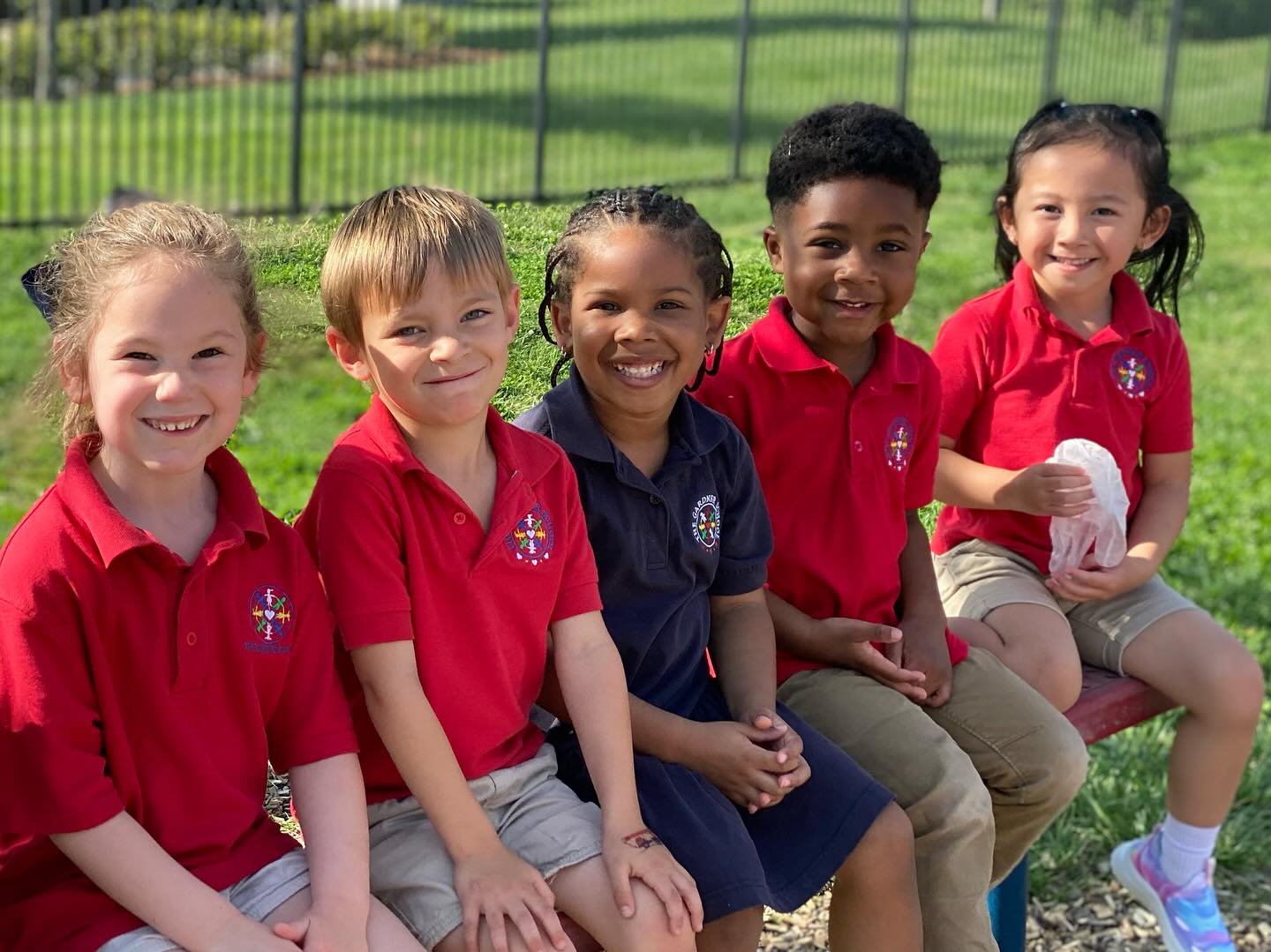
Every child deserves to grow up in a world where they feel valued, included, and respected. One of the most meaningful ways we can nurture that understanding is by helping children notice and celebrate the differences they see in others. From skin color and language to food, traditions, abilities, and personalities, these differences are what make our communities vibrant and beautiful.
Children are naturally observant. As they begin to notice the people around them, they may ask curious or unexpected questions. These moments are powerful opportunities to help them build empathy, kindness, and confidence in navigating a diverse world. Below are supportive ways to guide conversations at home and help your child explore diversity with openness and respect.
How to Talk with Your Child About Diversity
Talk openly about what makes people different
Let your child know it is okay to notice and talk about differences. Children learn through curiosity, and silence can send the message that something is “off-limits.” Instead, use their questions as gentle openings to talk about respect, kindness, and empathy. These conversations teach children that differences should be acknowledged with warmth rather than fear.
You can encourage deeper thinking with questions like:
- Why do you think that person talks differently than you?
- How do you think we can be kind to someone who is feeling left out?
- What would you do if someone made fun of another child for being different?
Teach empathy and respect through everyday moments
Children learn empathy from the adults they trust most. When they see you speak kindly, handle disagreements calmly, and treat others with respect, they internalize those behaviors. Talk to your child about words or actions that may hurt feelings, even unintentionally, and help them understand how to treat others with care.
Ask questions like, “How do you think that made them feel?” or “What would help them feel better?” These small discussions build a strong emotional foundation.
Help your child notice similarities, too
While differences matter, similarities help build connection. Talk with your child about common ground — favorite games, shared interests, pets, books, foods, or what makes each person smile. These comparisons help children see that being different and being alike can both bring people closer together.
How to Help Your Child Explore Diversity
Thoughtful books, movies, and shows provide safe, age-appropriate ways to introduce new cultures, abilities, and perspectives. Common Sense Media is a trusted resource that reviews movies, TV shows, books, and apps with an eye toward positive messages, role models, and representation. Here are a few recommended picks:
Books
The Day You Begin by Jacqueline Woodson
A beautiful story about having the courage to share your voice and embrace what makes you unique.
Drum Dream Girl by Margarita Engle
A true story about a young girl in Cuba who challenged cultural expectations to pursue her passion for drumming.
Shows and Movies
Sesame Street
A classic that celebrates diversity through characters, stories, and relatable social-emotional lessons.
Arthur
Great for conversations about empathy, friendship, kindness, and breaking stereotypes.
Disney’s Tangled
A kid-favorite with strong messages about honesty, courage, and understanding others.
Stories like these help children understand perspectives they may not encounter daily and spark conversations about fairness, identity, and kindness.
Why These Conversations Matter
Talking openly about diversity helps children develop emotional intelligence, confidence, and empathy — core skills they’ll use for the rest of their lives. As the National Association for the Education of Young Children (NAEYC) reminds us:
“When adults are silent or vague about things that children are seeing and trying to understand, children absorb the emotional message that the subject is not okay to talk about.”
Children need language, guidance, and safe spaces to make sense of the world. When we talk openly, we teach them that differences are something to celebrate, not avoid.
With schools across several states, The Gardner School reflects a rich blend of cultures, languages, traditions, and lived experiences. Children see this diversity in their classmates, their teachers, and the everyday moments of school life. It reminds them that the world is full of people who think, look, and live differently, and that those differences are something to appreciate and learn from. Our classrooms are designed to be places where every child feels seen, valued, and safe to express who they are. This sense of belonging strengthens confidence, encourages curiosity, and helps children build the social-emotional skills they need to thrive in school and in life. For All They Will Become.