

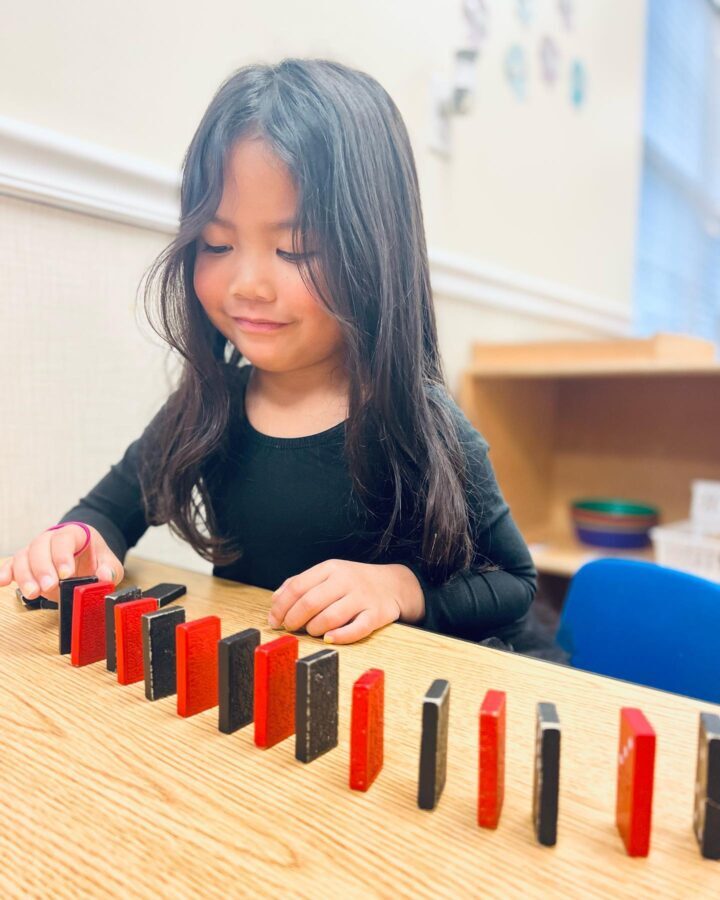
Whether your child is waiting in line, sharing toys with a friend, or hoping their snack arrives faster, patience is a skill that takes time and support to develop. Young children feel big emotions, and waiting can be a real challenge. The good news is that patience grows through practice, connection, and simple everyday routines. Here are a few ways to help your preschooler learn the art of waiting with confidence and calm.
1. Encourage Movement
Physical activity is one of the most effective ways to help children reset when they feel restless or frustrated. Simple movement gives their brain a break and their body a chance to release energy. Try a quick game of “jump like a frog,” a few laps around the yard, or a quick dance break in the living room. Even short bursts of movement can help children return to a waiting situation feeling more relaxed and ready.
2. Listen with Empathy
Children are still learning how to express their feelings with words. When patience feels hard, emotions often come out in physical or emotional ways. Reflective listening helps children feel understood. Phrases like “Waiting can feel tough” or “I hear you. This is taking a while” show empathy and teach children how to talk about their feelings calmly. When they feel seen, they are better able to settle and try again.
3. Model Patience in Real Life
Children watch how adults handle delays, frustrations, and long waits. Everyday moments like sitting in traffic, waiting at a restaurant, or standing in line can become small lessons in patience. Show your child how you cope calmly and consistently, and offer ideas to make the wait easier. Try playing I Spy, singing a favorite song, or planning what you will do after the errand is finished. These strategies help children learn healthy responses to common frustrations.
4. Set Realistic Expectations
Every child has a different capacity for waiting, and this grows with age, temperament, and experience. Younger children may need snacks or a small activity during a longer wait, while older children can manage more time with verbal reassurance. Meeting your child where they are helps them feel successful. When expectations match their developmental stage, patience becomes a skill they can actually practice instead of something that feels overwhelming.
5. Create Opportunities to Practice
Like any social-emotional skill, patience grows with repetition. Look for chances to practice waiting in simple, low-stress situations. Encourage turn-taking during play, celebrate even small moments of patience, and offer plenty of praise when your child waits calmly. These positive experiences build confidence and help children understand that they can handle moments of delayed gratification.
TGS Supports Social-Emotional Growth
At The Gardner School, we know that social-emotional development is just as important as academics. Children thrive when they feel supported, encouraged, and connected. Our teachers help children navigate big feelings, practice turn-taking, and build confidence through everyday interactions. To learn more about our approach to whole-child development, we invite you to schedule a tour to learn more.