

Children are natural scientists. They observe, test, explore, and ask big questions long before they can explain what they know. Our Executive School Directors gathered some of their favorite science and technology activities to help families bring the spirit of TGS learning home. These hands-on experiences strengthen early STEM skills, spark creativity, and give families a chance to connect through discovery.
Whether you have an infant, toddler, preschooler, or a mix of ages, you will find simple and meaningful activities that blend curiosity, movement, and play.
Infants, Toddlers, and Twos
Nature Painting
Use natural materials from your own yard or neighborhood to create a beautiful piece of art.
You’ll need:
- Paint
- Large paper
- Rubber bands or tape
- Items gathered on a nature walk
Go on a short nature walk and collect materials like leaves, sticks, pinecones, flowers, or rocks. Use them as paintbrushes, rollers, or stamps. As your child creates, talk about textures, colors, shapes, and patterns. Display their artwork at eye level so they can revisit it throughout the week and feel proud of their creation.
Earth Day Sensory Bottle
A calming, visual science activity that teaches cause and effect.
You’ll need:
- Empty bottle
- Blue food coloring
- Water
- Baby oil or vegetable oil
- Funnel
- Hot glue
- Optional: glitter or beads
Fill the bottle two-thirds with water and tint it blue. Add oil until full, then sprinkle in glitter or beads. Glue the lid closed. Shake the bottle with your child and talk about how water and oil move differently. This simple bottle becomes a soothing sensory tool they can explore again and again.

Ice Painting
A colorful, messy, and fun sensory experiment.
You’ll need:
- Ice cube tray
- Popsicle sticks
- Washable tempera paint
- Paper
Mix a small amount of paint into each ice cube mold, add a Popsicle stick, and freeze. Once frozen, let your child glide the colorful ice cubes over the paper. This cool activity encourages color mixing, sensory exploration, and creative expression.
Nature Sun Catcher
A sensory-filled way to explore the beauty of nature.
You’ll need:
- Leaves, flowers, grass
- Gallon or quart Ziploc bag
- Aloe vera gel
- Painter’s tape
Fill the bag with aloe vera gel and add natural items collected outside. Seal and tape to a window at your child’s eye level. They will love touching the bag, watching the leaves and flowers move in the light, and exploring the sensory feel of the gel.
Edible Playdough
A safe, simple way for young children to explore texture, mixing, and measuring.
You’ll need:
- Flour
- Oatmeal
- Water
- Measuring cup
- Bowl
- Spoon
Combine two cups of oats, one cup of water, and one cup of flour. Stir, knead, and play. You can add food coloring for extra fun. This activity supports early math skills, fine motor development, and sensory exploration.
Soil and Sand Sensory Bin
A hands-on way to explore texture, temperature, and change.
You’ll need:
- Soil
- Sand or uncooked rice/oats
- Water
Place soil in one bin and sand in another. Let children dig, scoop, and explore. Add a small amount of water to each bin and talk about how the texture changes. This activity encourages language development, scientific thinking, and sensory learning.
Threes, Fours, and Pre-K
Balloon Chemistry Experiment
A simple chemistry lesson that feels like magic.
You’ll need:
- Water bottle
- Funnel
- Baking soda
- Vinegar
- Balloon
Add vinegar to the bottle. Spoon baking soda into the balloon using a funnel. Stretch the balloon over the bottle opening, then lift it so the baking soda falls into the vinegar. Watch the balloon inflate as the reaction takes place. Children love repeating this experiment to test predictions and observe what changes.
Growing Plants in Water
A kitchen-based science experiment that teaches observation and responsibility.
You’ll need:
- Shallow tray of water
- Celery or romaine lettuce stump
Place the vegetable stump in a shallow dish of water and set it in a sunny window. Refresh the water daily. Within days, children will notice new growth. This helps them learn about plant life cycles and photosynthesis in a hands-on, accessible way.
Build a Bird Nest
Encourage curiosity about habitats, animals, and nature.
You’ll need:
- Play-doh or homemade dough
- Nature items from outdoors
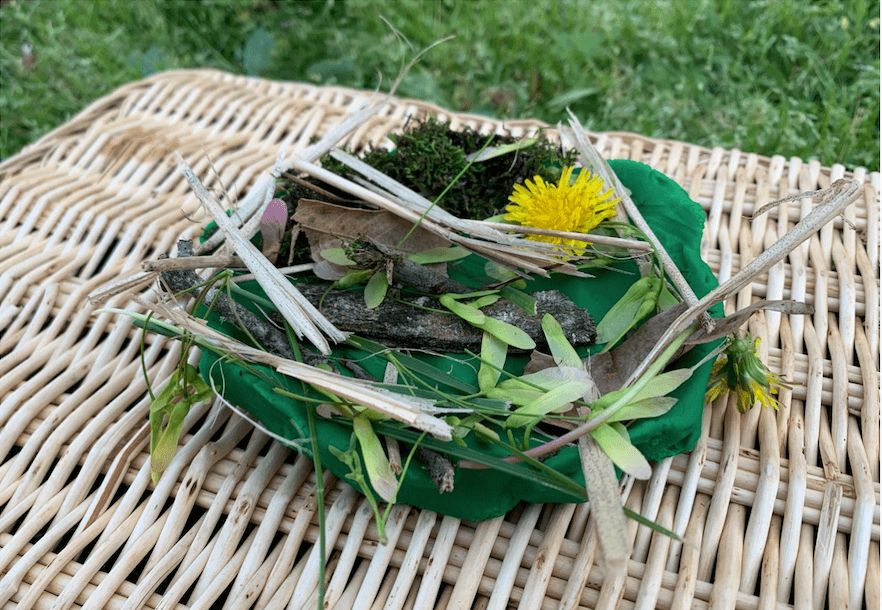
Take a walk and gather natural materials such as twigs, leaves, moss, feathers, and grass. Shape the Play-Dough into a bowl and use the materials to build a nest. Ask open-ended questions to encourage deeper thinking, such as “What do birds need to stay safe?” or “How would you build a home if you were a bird?” Let the nest dry outside and revisit it throughout the week.
Pinecone Bird Feeder
A sustainable, nature-friendly activity.
You’ll need:
- Peanut butter or seed butter
- Pinecones
- Bird seed
- Twine
- Q-tips
Gather pinecones and talk about what birds eat. Use Q-tips to spread peanut butter on the pinecone, roll it in bird seed, and hang it outside with twine. Spend time together watching the birds visit and count how many you see.
Any Age
Spray Bottle Painting
A vibrant, movement-based art activity.
You’ll need:
- Paint
- Spray bottles or squirt guns
- Paper
- Tape
Mix paint with water and add to spray bottles. Tape paper to a fence, window, or sliding door. Let your child spray the paper and watch the colors blend. You can also create painter’s tape designs, spray over them, and peel off the tape for a hidden message or name reveal.
Phone Number Challenge
A visual and memorable way to teach children an important safety skill.
You’ll need:
- Paper plates
- Markers
- Tape
Write numbers 0–9 on paper plates and tape them to the wall in the shape of a keypad. Practice dialing your phone number together, tapping each “button.” Sing the numbers to a familiar tune to help with memorization.
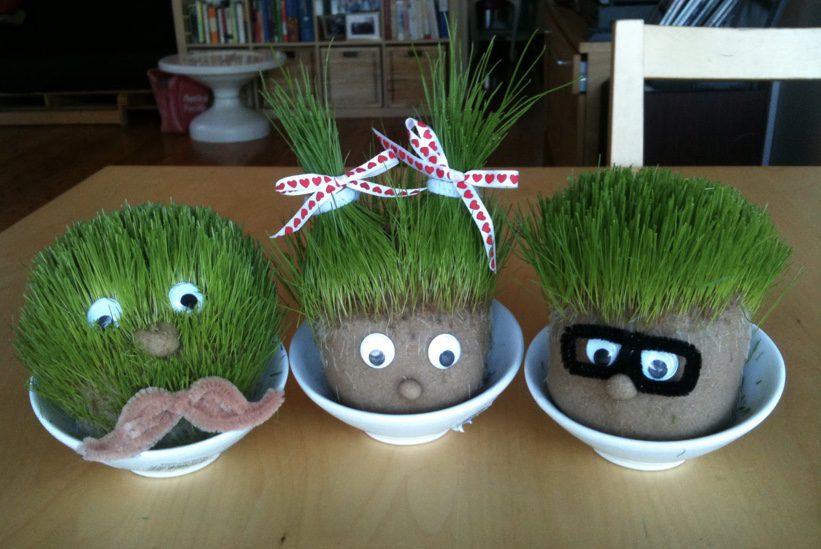
Chia Pet Head
A silly, hands-on biology activity that children love.
You’ll need:
- Stockings
- Grass seeds
- Sand
- Water
- Paper towel roll
- String (optional)
Fill the stocking with seeds and sand to create a head, tie off the end, and add features like eyes or a nose. Soak your pet every few days and watch the “hair” sprout and grow. This activity teaches patience, care, and observation while sparking plenty of giggles.
Fun With Science
We hope these activities bring curiosity, wonder, and joy to your home. At The Gardner School, children experience hands-on learning daily in environments designed to spark exploration and support their growth. To see our beautiful learning spaces in action, schedule a tour and discover how we nurture young scientists every day.